
Websites and marketing for US industrial companies.
We work with manufacturers, fabricators, coatings applicators, distributors and machine shops. Coatings and industrial maintenance is the corner we know best.
Some of the companies we've worked with
Purpose-built for industrial — from the ground up.
We build for industrial companies.
Manufacturers, fabricators, contractors, distributors, suppliers, coatings applicators, machine shops, and more.
Start your projectServices
We’ll work out together which of these you actually need.
Strategy
A plan that says which channels get funded, and in what order.
Websites
Fast, beautiful sites built to turn visitors into leads.
Branding
Logos, identity, and messaging that make you memorable.
Social media
Content and management that grow your audience.
Paid ads
Google and Meta campaigns, reported on leads and cost per lead.
SEO & GEO
Get found on search, maps, and AI-powered results.
AI integration
Smart automation and AI tools built into your stack.
Leads & data
Qualified leads and clean data to fuel your pipeline.
A turnkey marketing department.
We take on your marketing without the hassle of hiring, onboarding, or carrying another department.
- No paying for expensive marketing software
- No roles to open, no onboarding, no training cycle before work starts
- No salaries, benefits or payroll to carry
- Everything it ships stays yours — the site, the content and the source files

Why choose Spider Digital Group
We run marketing like a science
We believe great marketers are scientists. We lead with best practices and what’s already worked across our industry, then measure, optimize, and optimize again — so your marketing compounds over time. And because we work in the U.S. industrial market ourselves, our best foot forward starts far ahead of a generalist agency that’s never worked in our industry.
Learn more about our approach
Dashboard
Welcome back — here’s your week
Quote requests
Source
Analytics
VisitorsWebsite redesign
In progressThe work, tracked in one client portal
Our custom-built client portal is one place to manage the work together. Approve deliverables, track analytics and billing, follow a project, share files, and message us directly — so nothing lives only in somebody's inbox.
See the client portalA few quick questions
⚡ Short surveyOnboarding starts with a short survey
Tell us the goals in a few questions and onboarding takes it from there — a plan you can read, a kickoff, and the whole thread in one place. You get a firm number and a real schedule after the first conversation, not a quote assembled before anyone has understood the job.
Start your projectKnow where your website stands.
Ten scores from Google's own tests — speed, SEO, accessibility and best practices, on mobile and desktop — plus how AI assistants read your site, and whether your cookie banner does what it says. Free, no account.
Free, no account. Please use it on a site you own or are entitled to audit.
Everything your website needs, built in
Responsive design that looks great on every device
Built so search engines and AI assistants can read every page cleanly — which is the part we control. Where you rank isn't
Accessibility built in and tested — keyboard, contrast, and a screen reader (software that reads a page aloud) before launch
Built for speed and measured on Core Web Vitals — the load and responsiveness metrics Google records from real visits
Easy-to-edit CMS so you're never stuck
Contact and lead forms wired straight to your inbox
Analytics set up to track what actually matters
Clean, modern code on Next.js, React & Tailwind
SSL, hosting, and secure infrastructure included
Ongoing care and support long after launch
Coming September 1st
See the design before the build.
55 demo websites across 25 kinds of industrial business. Pick the one you like, then put your own colors and logo on it.
Getting started
What do I need to start?
Just your goals for the business. Bring those and we'll work out the rest together — the consultation is free either way.
For larger organizations, one place to work from
SDG For Enterprise
Your CRM, your data provider, your analytics, your project management, your social media and website management, your file storage, your brand assets — brought together in one interface. It's custom software built around the systems you already run rather than a platform you'd have to move into. When an operation is large enough that the work spans several of those at once, this is the engagement it belongs in.

Public on Google
“The end product is hard to beat.”
Eight clients left public reviews. Each quote below is an excerpt — the full text is on Google, so you can check.
Ian is a pleasure to work with. He's effective at helping determine your goals and objectives, and he understands what it takes to facilitate your business development. The website is done and looks great — I highly recommend giving Ian an opportunity to help you build or grow your business!
NNick SalyersGoogle review My company has used Spider Digital Group on many occasions over the past few years. We've never found them to be anything less than innovative, cost effective and professional. They're an incredible partner and web development resource — I highly recommend them.
RRonLocal Guide · Google review We partnered with Ian and the Spider Digital team to launch our new website. His expertise enabled us to deliver a significantly improved website on time and on budget. Attentive, customer-focused, and great to work with — the whole process was enjoyable. Thanks, Ian!
RRyan MillerGoogle review Spider Digital Group has been a great partner to work with. The staff is friendly and professional and very eager to help with complex solutions. They went the extra mile to get us what we needed — and fast!
DDavid MullsteffGoogle review I've worked with Ian at Spider Digital Group for nearly a year, and his services and support have been absolutely instrumental in helping my company succeed from a marketing standpoint. Ian is knowledgeable, responsive, and genuinely invested in our success. Highly recommend!
KKate HatterGoogle review I've had the pleasure of working with Ian and he's provided excellent guidance. His attention to detail, expedited support, positive attitude, and ability to go above and beyond make him a great vendor to work with. I highly recommend! 👍
SSandra WallaceGoogle review Spider Digital Group has been a great company to work with. Management makes great effort to connect and engage with customers. The end product is hard to beat — you can tell a lot of time, effort, and care goes into a final website.
CCecil RotanGoogle review Spider Digital has made a tremendous difference in our marketing and social media. As a startup, their expertise launched us immediately into the public eye and led to our success. They listened to our vision and made it a reality — absolutely fantastic and easy to work with.
MMichele HersheyLocal Guide · Google review
Where we stop
What we won't promise: a ranking, a lead count, or a revenue number.
Nobody controls those, and a firm that promises them is promising something it doesn't own.
What we will commit to is the part that's entirely ours: you see the real thing running before you approve it, you get a firm number and a real schedule after the first conversation, and when something we could sell you isn't going to work, we say so.
There's no penalty clause behind that. A penalty is only a way of pricing the failure — this is just how the work runs.

Who you'd be working with
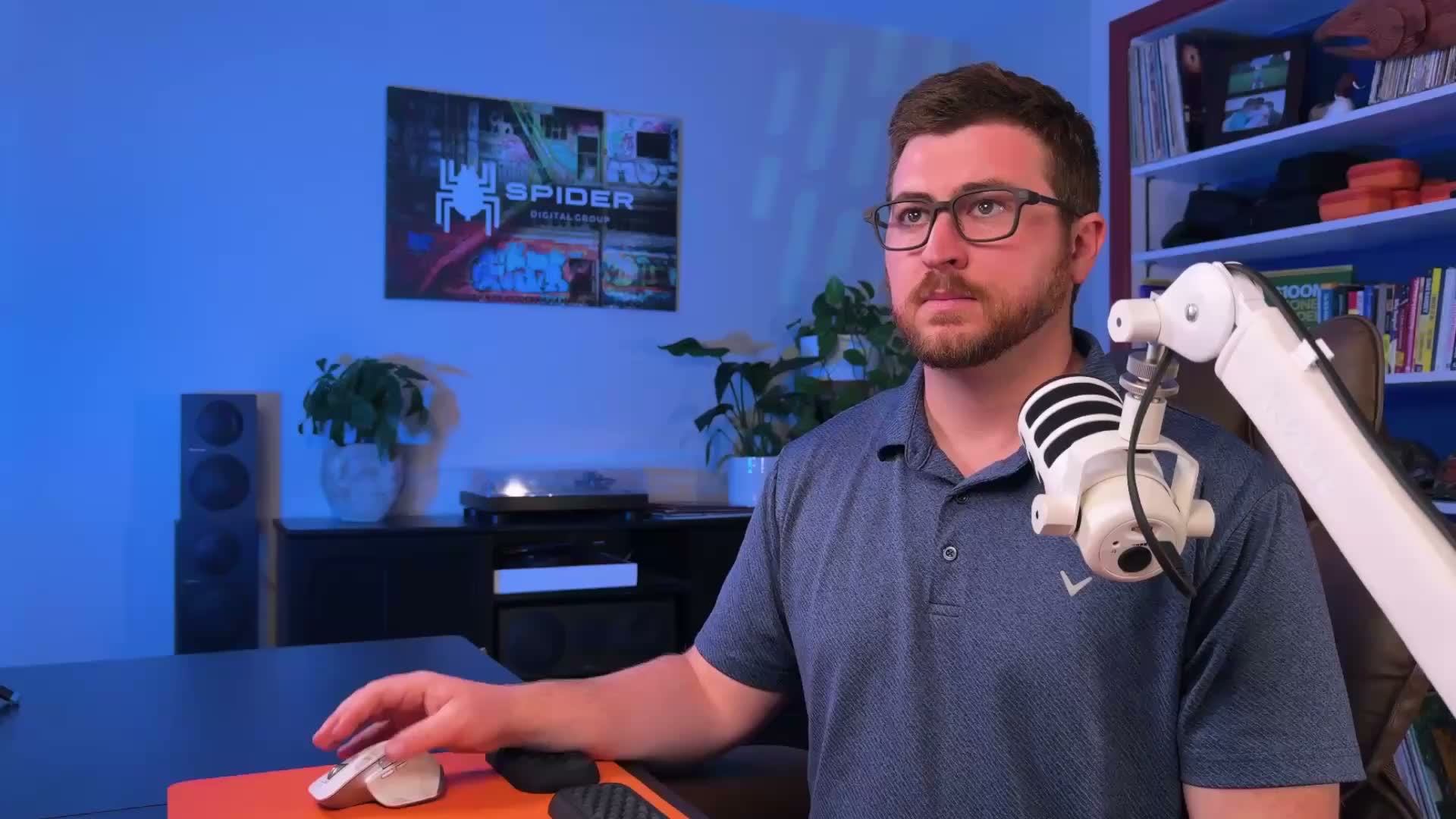
Ian Ciamarra
Founder, Spider Digital Group
He founded Spider Digital Group in 2022, after working at a large agency on Fortune 500 accounts. Ian lives in North Carolina and works remotely with industrial companies across the US. How he thinks about the work is set out on Our Approach.